The Rise of Home Paternity Tests: Reliability, Discretion, and Accessibility
The growing popularity of home paternity tests reflects a significant transformation in how individuals navigate parentage verification. With precision levels often exceeding 99%, these assessments provide a convenient approach for collecting DNA samples. However, persistent privacy concerns about genetic data remain prevalent. As more people explore these tests, they need to consider the implications of accuracy, privacy, and emotional consequences. What elements should they focus on in their decision-making process?
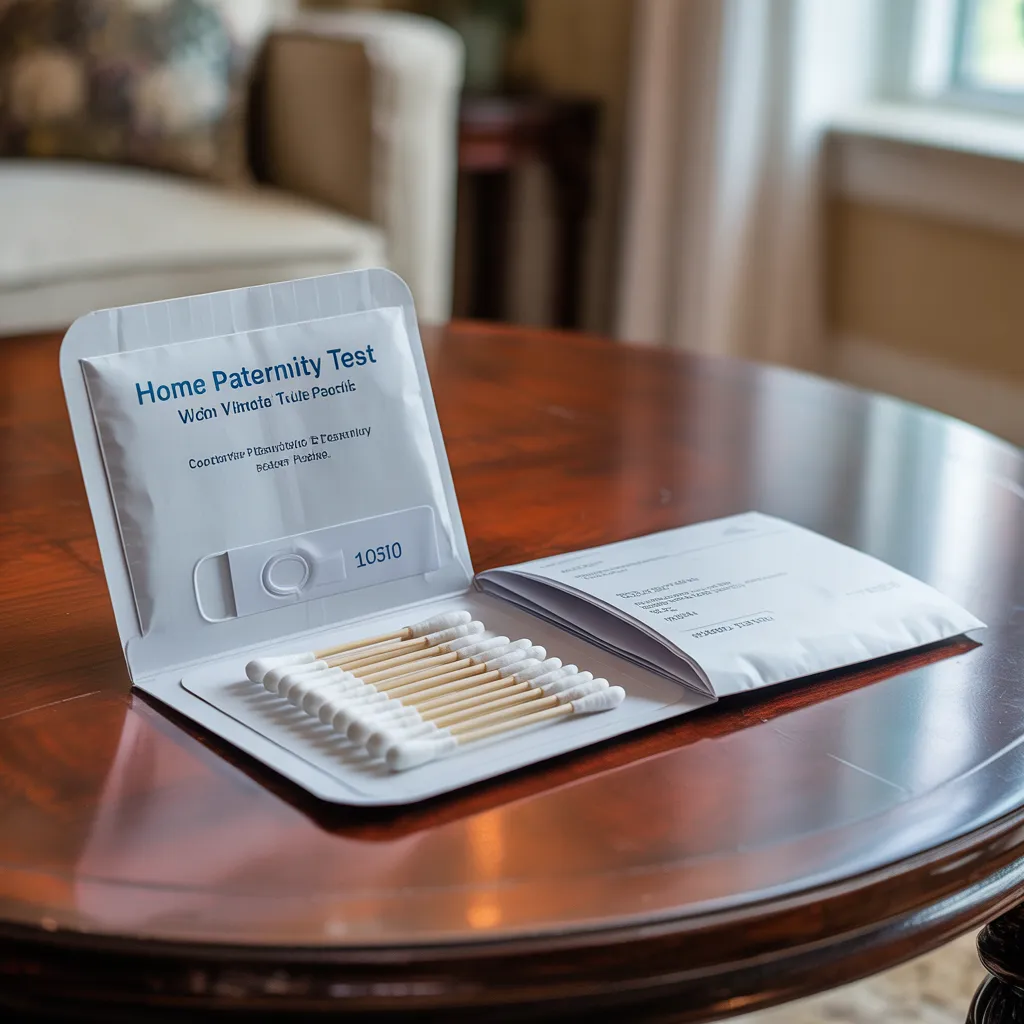
How Do Home Paternity Testing Kits Work?
Residential paternity tests commonly work via a simple procedure involving the collection of DNA samples. People are provided with a test kit containing swabs designed to gather cheek cell samples, usually from both the prospective father and the child. Individuals are directed to carefully swab the interior of their cheeks to gather sufficient DNA material. Once the specimens have been gathered, they are placed in designated containers and sent to a laboratory for analysis.
At the laboratory, the DNA is extracted and analyzed to determine distinct genetic characteristics. The examination contrasts the DNA profiles of the child and the alleged father to confirm paternal relationship. Results are usually available within a few days, and the procedure is intended to remain user-friendly, ensuring minimal discomfort. The ease of at-home testing resonates with many people, enabling people to find results in the comfort of their personal space. This method emphasizes the test's growing popularity as a reliable option for paternity verification.
How Accurate Are Home Paternity Tests?
How reliable are home paternity tests when it comes to determining biological relationships? In most cases, these tests are reported to deliver a high accuracy rate, commonly exceeding 99% when administered under the right conditions. They analyze DNA samples from the alleged father, child, and sometimes the mother, comparing genetic markers to establish a relationship. That said, the precision of these tests can be compromised by issues like sample contamination or inadequate handling practices.
The majority of home tests use advanced techniques comparable to those in clinical laboratories, yet they may be without the stringent oversight linked to professional testing. In addition, results can fluctuate between competing kits and providers, emphasizing the necessity of choosing a reliable source. While home paternity tests can provide a reliable sign of familial relationships, individuals should proceed carefully, recognizing that significant emotional and legal ramifications may stem from the findings. At the end of the day, for total assurance, seeking guidance from an accredited lab is recommended.
What Are the Privacy Concerns?
Whereas home paternity tests present a convenient way to establish biological relationships, they also raise significant privacy concerns. The acquisition and processing of genetic data, often in the form of saliva or cheek swabs, may result in unlawful access or exploitation. A large number of firms do not assure the security of collected samples, leaving individuals vulnerable to security breaches and data exposure.
In addition, the results may be distributed to third parties professional advice without express consent, increasing concerns of discrimination or bias. Customers may also be unaware of how their genomic data will be kept or potentially applied to research purposes.
Moreover, the emotional implications linked to unexpected results can further obscure the landscape of personal privacy. In summary, while such tests offer ease and accessibility, the shortage of robust regulatory frameworks and transparency in data handling raises serious questions about individuals' rights to privacy and ownership of their own genomic information.
How Do Test Results Affect Emotions?
The emotional fallout from paternity test results can be profound and far-reaching. People may experience a whirlwind of feelings, ranging from happiness and relief to feelings of betrayal and anger. For many people, a positive match can validate longstanding assumptions, fostering a sense of connection and security. Conversely, a negative result may lead to emotions of uncertainty, bewilderment, and grief, particularly if a family relationship is called into question.
These emotions often spread beyond the individual to influence family relationships. Mothers and fathers might struggle with guilt or fear concerning what this means for their children, while brothers and sisters may experience changes in how they view family relationships. Additionally, public stigma can worsen these sentiments, as individuals cope with societal norms around parentage. At the core of it all, the mental effect of paternity test results can vary significantly, emphasizing the complicated connection between sense of self, trust, and psychological wellness.
Key Factors for Choosing a Home Paternity Test
Navigating the emotional landscape in the wake of paternity test results commonly prompts individuals to contemplate their next steps carefully, particularly when choosing a home paternity test. Multiple essential factors warrant consideration to guarantee a reliable and satisfactory outcome.
To begin, accuracy remains crucial; people ought to look for tests featuring high sensitivity and specificity levels. Next, usability is of great importance; an uncomplicated collection procedure can help reduce anxiety. Confidentiality represents another major consideration; established organizations ought to assure protected processing of private data and findings.
Cost is also a factor; those considering the service should measure the fee against the test's legitimacy and available support. Lastly, customer reviews and testimonials provide insights into the experiences of others, helping individuals work through the various alternatives. By evaluating these factors, users can reach thoughtful conclusions that suit their specific needs and standards.
Popular Questions We Receive
Are At-Home Paternity Tests Accepted as Legal Evidence in Court?
DIY paternity tests are typically not legally admissible in court because of accuracy concerns and the absence of standardized procedures. Courts typically require tests conducted by accredited laboratories to serve as valid legal evidence in paternity disputes.
How Long Do Home Paternity Test Results Take?
Home paternity test results typically take anywhere from three to five days to process. Certain providers offer expedited services, reducing the wait time to as little as 24 hours, based on the particular testing method selected.
Can I Take the Test Again if I'm Unclear About My Results?
Yes, individuals can retest if not confident in their results. It is recommended to pause briefly before testing again to guarantee accuracy. Seeking professional advice can also offer insight into the most appropriate course of action.
Which Samples Are Required for At-Home Paternity Tests?
Residential paternity test kits generally need buccal swabs from the child as well as the potential father, although certain kits can also accommodate samples taken from blood. Correct collection and careful handling of these samples is critical to achieving accurate results.
Are There Age-Related Limitations for Children's Testing?
There are typically no particular age limitations when testing children using home paternity tests. Nevertheless, securing consent from a legal guardian is generally necessary, guaranteeing that the child's rights and personal privacy are honored throughout the procedure.