The Emergence of Home-Based Paternity Tests: Precision, Confidentiality, and Ease
The increasing prevalence of residential paternity testing highlights a considerable shift in how individuals handle parentage verification. With accuracy rates frequently surpassing 99%, these tests present a accessible approach for gathering genetic samples. However, underlying worries regarding privacy about personal genetic information remain prevalent. As an increasing number of individuals evaluate such testing options, it is important to consider the consequences of accuracy, privacy, and emotional consequences. Which considerations should guide them in making this important decision?
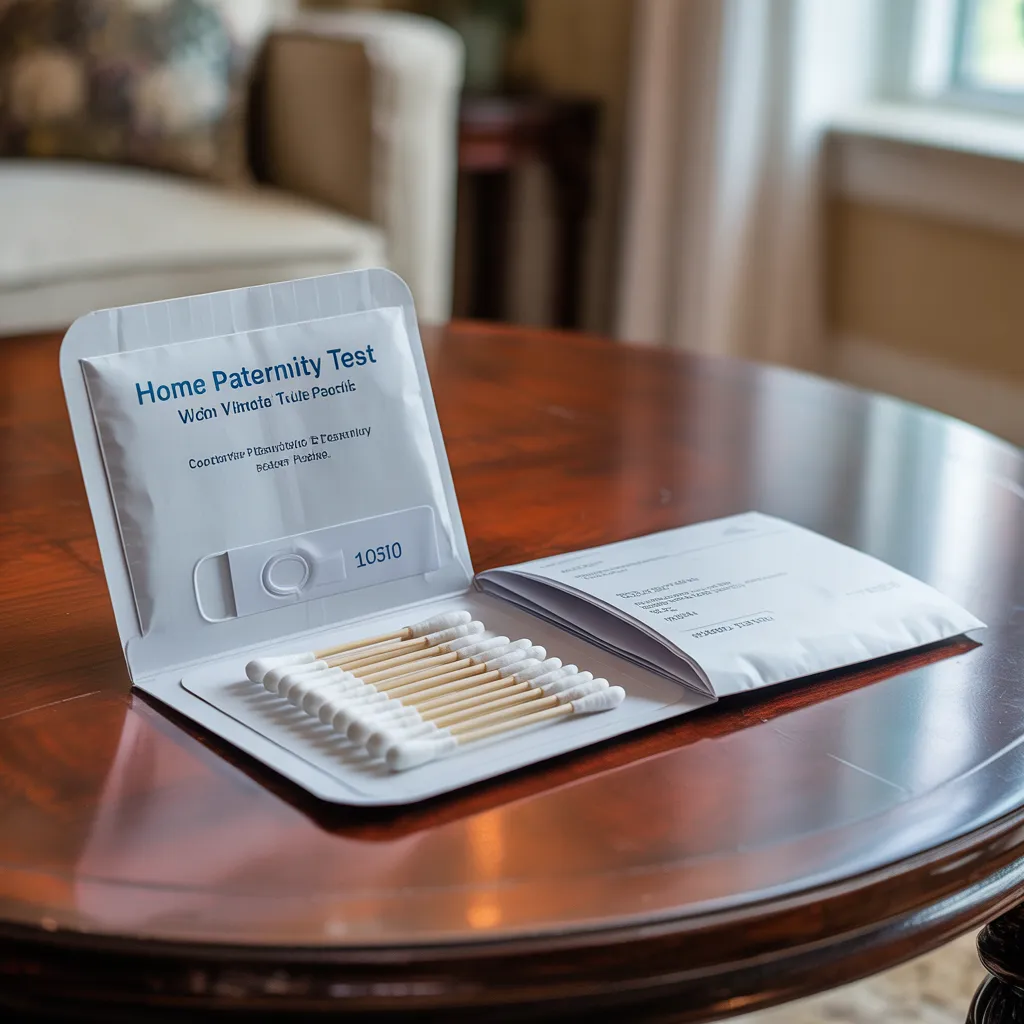
How Do Home Paternity Testing Kits Work?
At-home paternity tests generally operate through a straightforward process centered around collecting genetic material. People are provided with a test kit equipped with swabs intended for cheek cell collection, usually from both the prospective father and the child. Users are instructed to gently rub the swabs inside their cheeks to gather sufficient DNA material. Following the collection of the samples, they are placed in designated containers before being mailed to a lab for examination.
Within the lab, the DNA is extracted and analyzed to pinpoint particular genetic indicators. This evaluation matches the DNA patterns of the child and the alleged father to determine paternity. Outcomes are generally provided within a few days, and the procedure is intended to remain user-friendly, guaranteeing little inconvenience. The ease of at-home testing resonates with many people, enabling people to find results in the privacy of their own environment. This procedure highlights the assessment's rising demand as a reliable option for confirming paternity.
How Accurate Are Home Paternity Tests?
What level of accuracy do home paternity tests provide in establishing biological relationships? In most cases, these tests are reported to deliver a high accuracy rate, commonly exceeding 99% when administered under the right conditions. The process involves analyzing important guide DNA specimens from the presumed father, child, and in some instances the mother, matching genetic markers to determine a relationship. Nevertheless, the reliability of results may be affected by elements such as sample contamination or incorrect handling procedures.
Many home tests utilize sophisticated methods similar to those in clinical laboratories, yet they may fall short of the rigorous supervision associated with professional testing. Moreover, results can vary between different brands or kits, emphasizing the importance of selecting a trusted supplier. While home paternity tests can deliver a clear suggestion of biological ties, individuals should approach them with caution, considering that legal and emotional implications may arise from the findings. Ultimately, for absolute certainty, consulting a certified laboratory is advisable.
What Privacy Concerns Should You Know About?
Although home paternity tests provide a practical method for confirming genetic connections, they also raise notable concerns regarding privacy. The acquisition and processing of genetic data, often in the form of cheek swabs or saliva samples, can lead to unlawful access or exploitation. A large number of firms do not assure the security of collected samples, exposing individuals to the risk of data breaches.
Additionally, the results may be distributed to third parties without clear consent, amplifying concerns of stigmatization or prejudice. Users may also be unaware of how their genetic data will be kept or potentially used for research aims.
In addition, the emotional implications connected to unexpected results can further obscure the privacy framework. On the whole, while these tests provide user-friendliness and accessibility, the shortage of robust regulatory frameworks and clarity in data management practices prompts critical examination about individuals' rights to privacy and ownership of their own genomic information.
How Do Test Results Affect Emotions?
The psychological impact from paternity test results can be deep and wide-ranging. People may experience a whirlwind of feelings, ranging from joy and comfort to resentment and heartbreak. For certain individuals, a positive match can confirm deeply held convictions, fostering a bond of trust and reassurance. In contrast, a negative result may lead to feelings of doubt, confusion, and heartbreak, particularly if a family relationship is called into question.
These sentiments may reach beyond the person affected to affect bonds within the family unit. Parents may grapple with feelings of guilt or anxiety concerning what this means for their children, while siblings could encounter shifts in their perceptions of family dynamics. Moreover, societal stigma may intensify these emotions, as individuals cope with societal norms around parentage. Ultimately, the emotional toll of paternity test results differs considerably, emphasizing the complicated connection between personal identity, trust, and mental health.
Key Factors for Choosing a Home Paternity Test
Working through the emotional journey in the wake of paternity test results frequently causes people to consider their options thoughtfully, particularly when deciding on a home paternity test. Multiple essential factors require careful thought to ensure a reliable and satisfactory outcome.
First, precision is essential; people ought to look for tests featuring high sensitivity and specificity levels. Next, the ease of use is vital; a simple gathering process can ease concerns. Data protection is also a critical factor; established organizations ought to assure protected processing of private data and findings.
Expense is also a key factor; those considering the service should measure the fee against the test's legitimacy and available support. Lastly, user reviews and personal accounts shed light on the experiences of fellow customers, helping individuals work through the various alternatives. Through careful assessment of these elements, people can arrive at well-informed decisions that match their personal requirements and goals.
Common Questions and Answers
Can Home Paternity Tests Be Used as Legal Evidence in Court?
DIY paternity tests are generally inadmissible in court due to concerns about accuracy and the lack of standardized procedures. Judicial proceedings commonly require testing performed by accredited laboratories to be considered credible legal proof in paternity proceedings.
How Long Do Home Paternity Test Results Take?
Home paternity testing results usually take anywhere from three to five days to process. Some companies offer accelerated processing services, shortening the processing time to approximately 24 hours, based on the particular testing method selected.
Is Retesting an Option if I'm Uncertain About My Results?
Certainly, individuals can take the test again if unsure of the outcome. It is recommended to allow some time to pass before retesting to guarantee reliable results. Speaking with an expert can also provide guidance on the right path forward.
Which Samples Are Required for At-Home Paternity Tests?
Home paternity tests usually call for buccal swabs from the child and the alleged father, although a number of kits are also compatible with blood samples. Proper collection and handling of these samples are essential for accurate results.
Do Age Restrictions Apply When Testing Children?
There are generally no specific age restrictions for testing children with home paternity tests. Nevertheless, securing consent from a legal guardian is generally necessary, ensuring the child's rights and privacy are respected throughout the process.