The Emergence of Home-Based Paternity Tests: Accuracy, Privacy, and Convenience
The growing popularity of at-home paternity tests highlights a considerable transformation in how people navigate the verification of parentage. With reliability rates commonly reaching beyond 99%, these assessments provide a practical means for gathering genetic samples. However, persistent concerns about privacy about personal genetic information remain prevalent. As more people explore such testing options, they need to weigh the implications of emotional consequences, accuracy, and privacy. What elements should they focus on in their decision-making process?
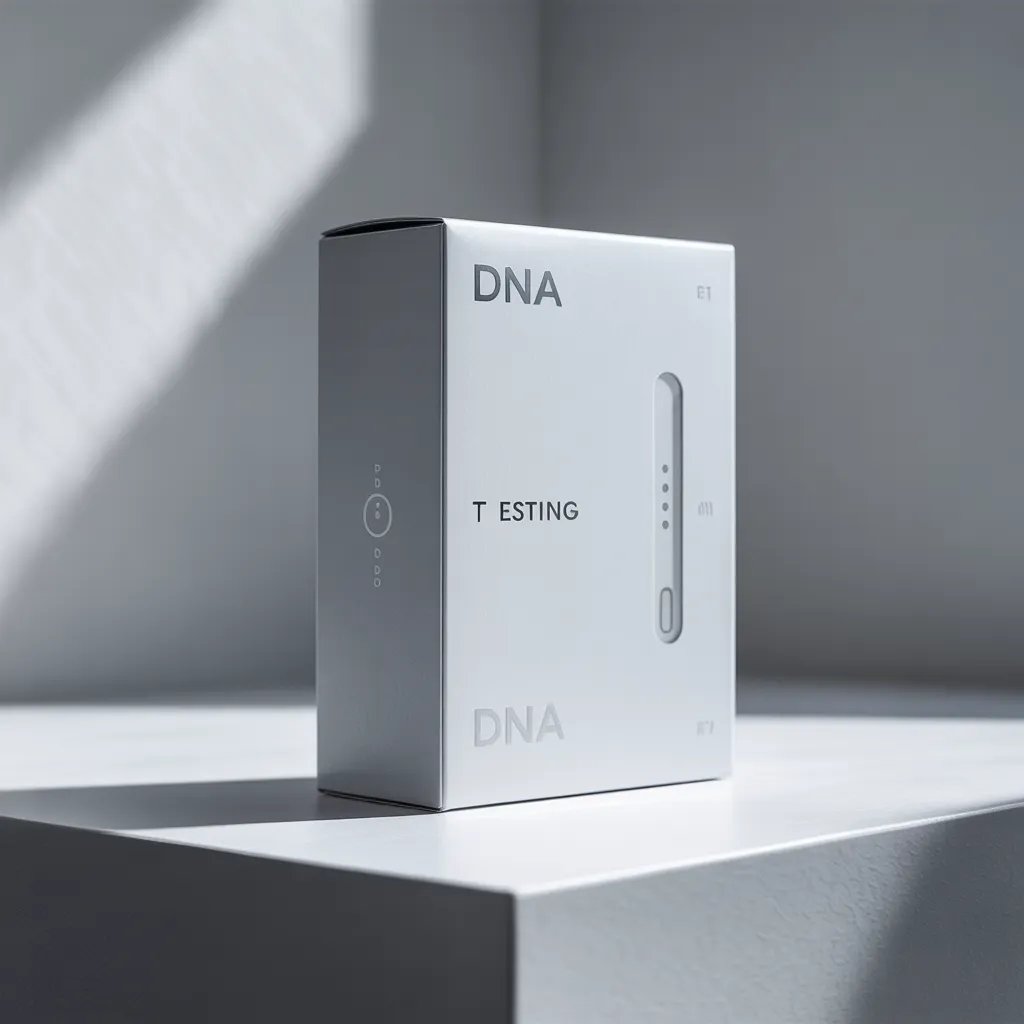
How Do Home Paternity Testing Kits Work?
At-home paternity tests generally operate by means of an uncomplicated method centered around collecting genetic material. Participants obtain a testing package that includes swabs for collecting cheek cells, usually from both the prospective father and the child. Participants are advised to softly brush the swabs along the inside of their cheeks in order to collect an adequate amount of genetic material. Once the specimens have been gathered, they are stored in specified collection vessels and then forwarded to a analysis testing facility for evaluation.
At the laboratory, the DNA is isolated and studied to determine distinct genetic characteristics. This evaluation matches the DNA patterns of the child and the alleged father to confirm paternal relationship. Outcomes are generally provided within a few days, and the procedure is intended to remain user-friendly, providing minimal stress. The ease of at-home testing resonates with many people, enabling people to find results in the privacy of their own environment. This process underscores the test's growing popularity as a trustworthy solution for establishing paternal identity.
How Accurate Are Home Paternity Tests?
How reliable are home paternity tests when it comes to determining biological relationships? In most cases, these tests are reported to deliver a high accuracy rate, commonly exceeding 99% when administered under the right conditions. The process involves analyzing DNA specimens from the presumed father, child, and in some instances the mother, matching genetic markers to determine a relationship. Nevertheless, the reliability of results may be affected by elements such as sample contamination or incorrect handling procedures.
Many home tests employ advanced techniques comparable to those in clinical laboratories, yet they may fall short of the rigorous supervision linked to professional testing. In addition, results can fluctuate between various brands and products, emphasizing the necessity of choosing a reputable provider. While home paternity tests can deliver a clear suggestion of familial relationships, individuals should proceed carefully, recognizing that serious legal and personal consequences may arise from the findings. Ultimately, for complete confidence, consulting a certified laboratory is strongly encouraged.
What Are the Privacy Concerns?
Whereas home paternity tests present an accessible means of determining biological relationships, they simultaneously present significant privacy concerns. The collection and handling of genetic material, commonly obtained through cheek swabs or saliva samples, has the potential to cause improper access or misappropriation. Numerous providers fail to ensure the security of collected samples, exposing individuals to the risk of data breaches.
In addition, the results may be disclosed to third parties without express consent, amplifying worries of stigmatization or bias. Users may also be not fully aware of how their genetic data will be kept or potentially used for research objectives.
In addition, the affective dimensions linked to unforeseen outcomes can further obscure the landscape of personal privacy. Overall, while these tests provide user-friendliness and accessibility, the deficiency of rigorous regulations and clarity in data management practices prompts critical examination about the privacy rights of individuals and control over their own genetic information.
In What Ways Do Test Results Influence Emotions?
The psychological impact from paternity test results can be significant and extensive. Those involved may experience a whirlwind of reactions, ranging from joy and comfort to anger and betrayal. For certain individuals, a positive match can validate longstanding assumptions, fostering a bond of trust and reassurance. On the other hand, a negative result may lead to a sense of confusion, disbelief, and sorrow, particularly if a family relationship is called into question.
These emotions may reach beyond the person affected to affect bonds within the family unit. Mothers and fathers might struggle with fear and guilt over the implications for their children, while siblings could encounter alterations in their understanding of family structure. Furthermore, social stigma can exacerbate these feelings, as individuals cope with societal norms around parentage. At the core of it all, the emotional toll of the results of paternity testing differs considerably, highlighting the complex interplay between sense of self, trust, and psychological wellness.
Important Factors to Consider When Choosing a Home Paternity Test
Steering through the emotional landscape following paternity test results commonly prompts individuals to consider their options thoughtfully, particularly when selecting a home paternity test. Multiple essential factors require careful thought to guarantee a trustworthy and positive outcome.
As a primary consideration, exactness is critical; users should pursue tests that demonstrate strong sensitivity and specificity ratings. Following this, simplicity of use is fundamental; a simple gathering process can ease concerns. Privacy is another significant concern; credible firms are expected to secure the careful handling of sensitive data and results.
Pricing is also an important consideration; potential users should weigh the price against the test's credibility and support services. In addition, user reviews and personal accounts shed light on the experiences of fellow customers, helping individuals work through the various alternatives. By evaluating these factors, users can reach thoughtful conclusions that suit their specific needs and standards.
Questions Our Clients Often Ask
Are Home Paternity Tests Legally Admissible in Court?
Home paternity tests are generally inadmissible in court because of accuracy concerns and the absence of standardized procedures. Judicial proceedings commonly require analyses carried out by certified laboratories for reliable legal evidence in paternity cases.
How Long Do Home Paternity Test Results Take?
Results from home paternity tests generally take between three to five days to process. Some companies offer expedited services, cutting down the waiting period to approximately 24 hours, based on the particular testing method selected.
Can I Take the Test Again if I'm Unclear About My Results?
Certainly, people can repeat the test if not confident in the results. It's advisable to pause briefly before repeating the test to guarantee precise outcomes. Seeking professional advice can also offer insight into the best steps to take.
Which Samples Are Required for At-Home Paternity Tests?
Home paternity tests generally need oral swab samples from both the child and the presumed father, however some kits may also accept samples taken from blood. Correct collection and careful handling of these samples is critical to achieving accurate results.
Are There Age Restrictions for Testing Children?
There are typically no particular age limitations when testing children using home paternity tests. Nevertheless, securing consent from a legal guardian is generally necessary, guaranteeing that the child's rights and personal privacy are honored throughout the procedure.