The Growth of At-Home Paternity Testing: Accuracy, Privacy, and Convenience
The rise of home paternity tests highlights a considerable shift in how people approach parentage verification. With accuracy rates frequently surpassing 99%, these tests provide a accessible method for collecting DNA samples. However, significant privacy concerns about personal genetic information are still widespread. As an increasing number of individuals explore this form of testing, they need to consider the impact of privacy, accuracy, and emotional impact. Which considerations should guide them in determining the right course of action?
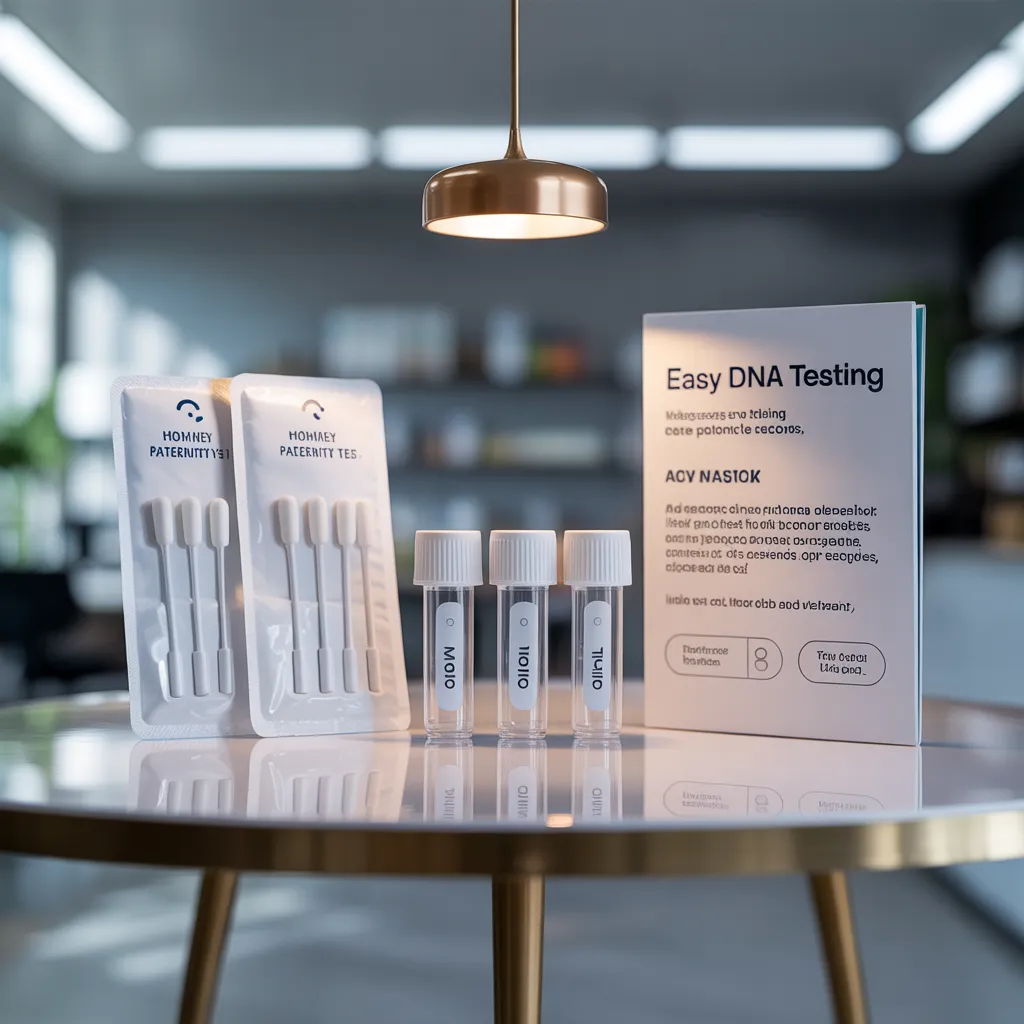
How Do At-Home Paternity Tests Work?
At-home paternity tests generally operate by means of an uncomplicated method centered around collecting genetic material. Participants obtain a testing package containing swabs designed to gather cheek cell samples, typically from the potential father and child. Individuals are directed to carefully swab the interior of their cheeks in order to collect an adequate amount of genetic material. Once the specimens have been gathered, they are stored in specified collection vessels and sent to a laboratory for analysis.
In the lab, the DNA is collected and examined to identify specific genetic markers. The examination contrasts the DNA samples of the child and the alleged father to determine paternity. Results are usually available within a few days, and the procedure is intended to remain user-friendly, guaranteeing little inconvenience. Home testing convenience attracts numerous individuals, allowing individuals to seek answers in the seclusion of their own home. This procedure highlights the examination's increasing recognition as a dependable choice for confirming paternity.
What Is the Accuracy of Home Paternity Tests?
How dependable are at-home paternity tests for identifying biological connections? Typically, these tests are designed to provide a high degree of accuracy, frequently surpassing 99% when performed properly. They analyze DNA samples from the alleged father, child, and sometimes the mother, comparing genetic markers to establish a relationship. However, the accuracy can be influenced by factors such as sample contamination or improper handling.
Many home tests utilize advanced techniques comparable to those found in professional labs, yet they may be without the strict quality control linked to professional testing. Furthermore, results can differ between various brands and products, underscoring the necessity of choosing a reliable source. While home paternity tests can provide a reliable sign of familial relationships, individuals should exercise discretion, recognizing that legal and emotional implications may stem from the findings. At the end of the day, for total assurance, working with a professional testing facility is recommended.
What Are the Main Privacy Issues to Consider?
Although home paternity tests provide an accessible means of determining genetic connections, they also raise notable concerns regarding privacy. The gathering and management of genetic samples, often in the form of cheek swabs or saliva samples, can lead to unauthorized access or misuse. Many companies do not guarantee the privacy of provided specimens, leaving individuals vulnerable to security breaches and data exposure.
Moreover, the findings may be disclosed to third parties without clear consent, heightening fears of social stigma or discrimination. Individuals may also be unaware of how their genomic data will be kept or potentially used for research objectives.
In addition, the psychological ramifications stemming from surprising discoveries can create additional challenges within the domain of data privacy. Overall, while these examinations present simplicity and widespread availability, the deficiency of rigorous regulations and openness in how data is managed raises serious questions about people's fundamental right to privacy and control over their own genetic information.
How Do Test Results Affect Emotions?
The emotional consequences from paternity test results can be deep and wide-ranging. Individuals may experience a spectrum of feelings, ranging from relief and joy to anger and betrayal. For many people, a positive match can affirm long-held beliefs, fostering a feeling of belonging and stability. In contrast, a negative result may lead to emotions of uncertainty, bewilderment, and grief, particularly if a close supplementary information family tie is brought into doubt.
These sentiments may reach beyond the person affected to impact family relationships. Mothers and fathers might struggle with fear and guilt concerning what this means for their children, while brothers and sisters may experience alterations in their understanding of family structure. Moreover, societal stigma may intensify these emotions, as people manage the social pressures related to parenthood. Ultimately, the emotional toll of paternity testing outcomes differs considerably, underscoring the intricate relationship between personal identity, trust, and mental health.
Essential Factors for Selecting a Home Paternity Test
Navigating the complex emotions following paternity test results commonly prompts individuals to consider their options thoughtfully, particularly when selecting a home paternity test. Several key factors deserve attention to ensure a trustworthy and positive outcome.
To begin, precision is essential; people ought to look for tests featuring high sensitivity and specificity levels. Following this, user-friendliness plays a key role; a simple gathering process can ease concerns. Personal privacy stands as another important issue; established organizations ought to assure protected processing of private data and findings.
Expense is also a key factor; prospective users should balance the cost against the assessment's reliability and customer support. In addition, client feedback and testimonials offer valuable perspectives from previous users, offering guidance in maneuvering through options. Through careful assessment of these elements, individuals can make informed choices that align with their needs and expectations.
Frequently Asked Questions
Can Home Paternity Tests Be Used as Legal Evidence in Court?
DIY paternity tests are generally not legally admissible in court owing to reliability issues and a lack of consistent testing protocols. Judicial proceedings commonly require analyses carried out by certified laboratories to serve as valid legal evidence in paternity disputes.
How Long Do Home Paternity Test Results Take?
Results from home paternity tests generally take between three to five days to be processed. Certain providers offer expedited services, reducing the wait time to just 24 hours, subject to the specific method of testing chosen.
Is Retesting an Option if I'm Uncertain About My Results?
Yes, people can repeat the test if unsure of their results. It's advisable to wait a short period before testing again to ensure precise outcomes. Speaking with an expert can also offer insight into the right path forward.
What Samples Are Needed for Home Paternity Tests?
At-home paternity tests usually call for cheek swabs from both the child and the presumed father, however some kits may also accept blood samples. Proper collection and handling of these samples are essential for accurate results.
Do Age Restrictions Apply When Testing Children?
There are generally no specific age restrictions for testing children with home paternity tests. Nevertheless, securing consent from a legal guardian is generally necessary, making certain that the child's rights and privacy are upheld during the entire process.