Choosing the Right Home Paternity Test: Factors to Consider
Choosing a at-home paternity test demands thorough evaluation of numerous important factors. The method of sample collection, the reputation of the provider, and the straightforwardness of the instructions all serve important functions in guaranteeing reliable outcomes. Additionally, knowing what guarantees are available can offer reassurance. As the options available can be overwhelming, it's crucial to investigate these elements in greater depth to arrive at a knowledgeable choice that aligns with personal requirements.
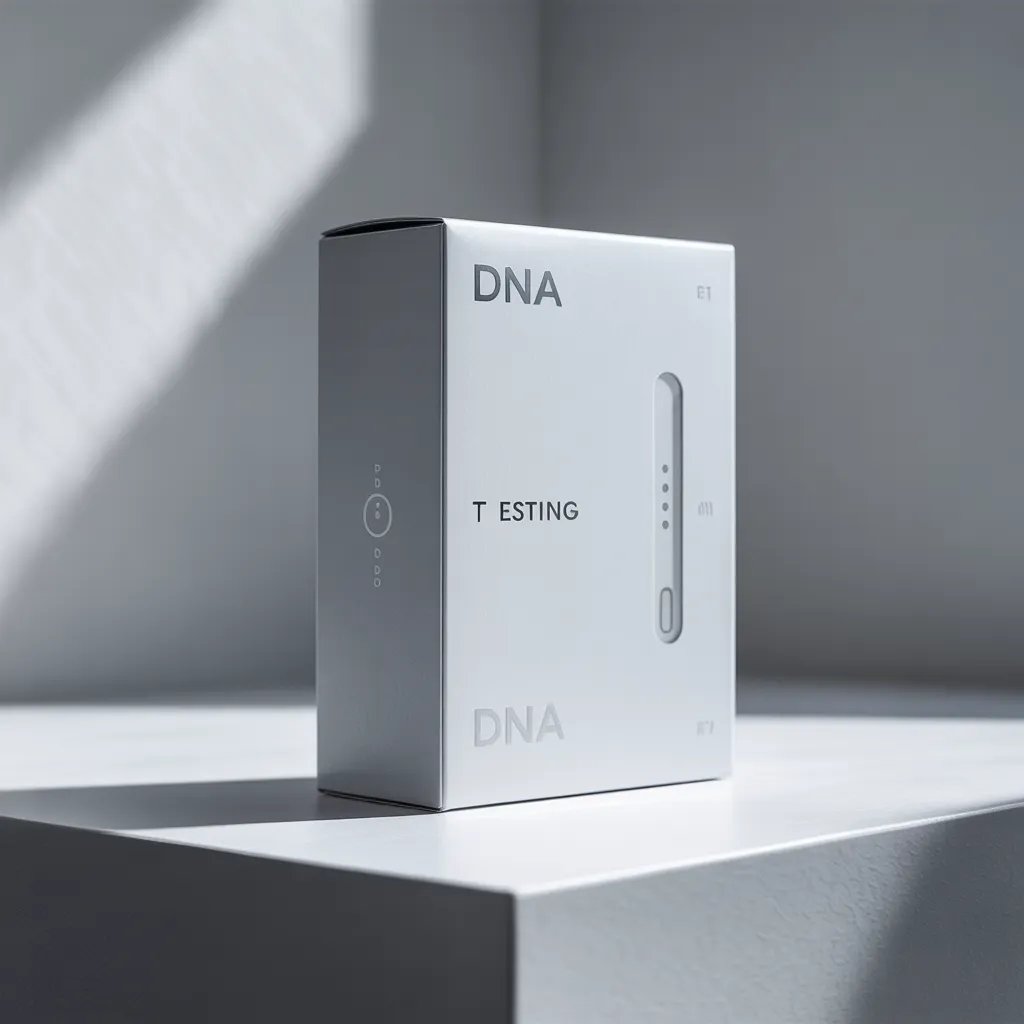
Types of Home Paternity Tests You Should Know
When considering at-home paternity testing options, individuals encounter a range of choices tailored to suit varying requirements. The most common types include oral swab tests, which obtain DNA specimens via a simple, pain-free approach. These options are commonly chosen for their user-friendly nature and consistent results. Another option is the blood test, which necessitates a drawn specimen and can deliver highly accurate outcomes. A number of services further provide prenatal paternity assessment, allowing expectant parents to determine paternity before birth through a blood sample from the mother and a cheek swab from the potential father. Additionally, there are at-home kits available that combine DNA collection with online analysis, enabling individuals to receive results conveniently. All varieties present their respective strengths and drawbacks, making it vital for people to select an option aligned with their unique needs and priorities.
Important Factors for Evaluating Test Accuracy
When selecting a at-home paternity test, the precision of the findings is essential. Important factors to consider include the approach to collecting samples, the accreditation status of the laboratory, and the testing technology utilized. Evaluating these elements can considerably influence the reliability of the test outcomes.
Sample Collection Method
Given that multiple sample collection methods exist, their impact on test accuracy is a crucial consideration for individuals considering a home paternity test. Common methods include cheek swabs, saliva collection, and blood samples. Cheek swabs are often favored for their ease of use and non-invasive nature, allowing for quick collection without medical assistance. Blood samples, despite being more reliable, demand professional handling and may cause more discomfort. Saliva tests offer a compromise but can yield inconsistent results based on collection method. The accuracy of each method is shaped by considerations such as contamination potential and sample degradation. Consequently, prospective users must evaluate their comfort level with each method and its potential impact on the accuracy of the test results.
Lab Accreditation Overview
The accuracy of a residential paternity test reaches further than the approach to collecting samples to the lab where the examination is conducted. The testing facility's accreditation standing is an critical consideration in assessing test reliability. Certified laboratories adhere to stringent industry standards and procedures, ensuring that their testing processes are verified and consistent. Institutions such as the AABB and the International Organization for Standardization provide accreditation, indicating a focus on precision and quality. Consumers should check whether the selected laboratory is officially recognized and be aware of the consequences of employing non-certified facilities, as this can significantly impact the findings. Ultimately, selecting a test from an accredited laboratory enhances confidence in the precision of paternity test outcomes.
Technology Used for Testing
Assessing the analytical methods used in residential paternity examinations is vital for determining their precision and dependability. The majority of credible tests employ sophisticated DNA examination methods, such as PCR and STR analysis, which replicate and analyze particular genetic markers. These techniques enhance precision in identifying familial relationships. Additionally, the number of genetic markers tested can significantly influence outcomes; a greater quantity generally corresponds to enhanced reliability. It is also essential to consider whether the test uses third-party laboratories, as independent verification can enhance reliability. Individuals should investigate the technology employed and confirm it corresponds with professional guidelines to make informed choices about the test's overall effectiveness and reliability.
How to Choose the Easiest Home Paternity Test for You
When selecting a paternity test for home use, people should evaluate several key factors to ensure convenience and usability. Accuracy guarantees for the test, the method of sample collection, and privacy and confidentiality are vital components that can influence the experience as a whole. By evaluating these points, one can identify the most convenient and reliable option for their specific needs.
Accuracy and Test Assurance
What steps can ensure the reliability of a home paternity test? The first step involves picking a credible testing provider. Testing providers ought to demonstrate a track record of accurate outcomes and follow established industry guidelines. Additionally, confirming that the test employs sophisticated DNA analysis techniques, like PCR (Polymerase Chain Reaction), is vital for enhancing accuracy. Checking for certifications and accreditations from recognized organizations can further assure credibility. Additionally, customer reviews and testimonials can provide insight into others' experiences with the test's accuracy. Finally, understanding the company's guarantee or warranty policies can offer reassurance. By evaluating each of these aspects, individuals are able to substantially increase their prospects of achieving a precise home paternity test result.
Sample Collection Method
Picking the correct collection method for samples is crucial for guaranteeing a hassle-free home paternity test process. Various options are available, including buccal swabs and saliva samples, which are commonly simpler to obtain compared to blood samples. Oral swabs require rubbing a soft cotton swab against the inside of the cheek, making them convenient and comfortable. Collecting saliva samples is equally simple, requiring participants to provide a sample into a collection tube. When deciding on a method, individuals should consider convenience, comfort, and the number of participants involved. Additionally, comprehensive directions supplied by the testing kit can make the process more efficient, decreasing the possibility of inaccuracies. In the end, an convenient collection method enhances the overall testing experience and guarantees reliable results.
Confidentiality and Privacy
What elements should people examine concerning privacy and confidentiality when choosing a home paternity test? People should prioritize companies that emphasize protected data processing and discretion standards. It is important to examine the company's privacy guidelines, ensuring that personal information and test results will not be shared with unauthorized parties. Moreover, consumers should question whether the sample gathering method is private and if the packaging is unmarked to maintain anonymity. The test results should ideally be delivered in a protected way, such as through password-secured web access or encrypted correspondence. In the end, choosing a trustworthy provider that prioritizes confidentiality can significantly enhance peace of review now mind during this sensitive process.
Finding a Trustworthy Paternity Test Provider
When searching for a reliable paternity testing provider, it is crucial to evaluate several key factors that reflect trustworthiness. First, individuals should verify the provider's credentials and accreditation, confirming it adheres to professional standards. A credible provider will typically be certified by bodies such as the AABB (American Association of Blood Banks) or ISO .
Additionally, customers should examine customer reviews and testimonials, which can provide perspective on others' experiences. A trustworthy provider will generally have comprehensive information regarding testing procedures, timelines, and pricing.
Furthermore, evaluate the service provider's client support. Prompt and informed assistance can considerably benefit the test experience. As a final point, a reliable provider will prioritize confidentiality and privacy, guaranteeing that sensitive information remains protected. Through careful evaluation of these factors, consumers can make educated choices while choosing an appropriate paternity testing service.
Legal Factors to Consider for Home Paternity Tests
How do legal concerns affect the decision to choose a home paternity test? Individuals seeking clarity on paternity must recognize that not all home tests yield legally admissible results. Legal paternity tests require a chain of custody to guarantee sample integrity, typically necessitating a licensed professional to collect samples. This differentiation is vital for those who could need results for legal proceedings, custody disagreements, or child support concerns.
Furthermore, the rules pertaining to paternity testing can fluctuate considerably by jurisdiction. Various localities may impose specific rules on how tests are carried out and utilized. Consequently, individuals should ensure that the test they opt for adheres to legal standards in their area. Misunderstanding these legal requirements can lead to invalid results, making more complex family matters unnecessarily. It is advisable for individuals to consult legal professionals if they foresee needing the results for formal purposes, ensuring they select an proper testing approach.
What to Do Next After Receiving Your Home Paternity Test Results
Upon obtaining results from a home paternity test, many find themselves confronting significant choices about what to do next. An initial priority is validating the precision of the findings. When questions come to light, obtaining a professional retest from a qualified laboratory may help resolve concerns.
After this step, individuals should evaluate the emotional impact of the test results. Engaging in open conversations with close family can promote understanding and connection. Depending on the results, some might want to set up an official paternity arrangement, especially if custody or child support issues are a concern.
Speaking with a qualified attorney can help navigate these intricate matters. Should the results confirm genetic connections, those involved could look into methods to strengthen those connections, such as scheduling meetings or mutual engagements. Ultimately, the path forward should prioritize mental and emotional health and the best interests of all individuals affected, guaranteeing that determinations are arrived at in a mindful and considerate manner.
Financial Planning for Your Home Paternity Test
Planning a budget for a home paternity test necessitates careful consideration of multiple factors to guarantee affordability without sacrificing quality. To begin, individuals should examine the price range of existing tests, as costs can vary greatly based on brand and technology used. The majority of dependable tests generally fall between $100 and $500, depending on the detail and reliability of the outcomes.
In addition to the original purchase price, it's important to consider potential shipping fees, particularly when samples are required to be forwarded to a lab. Some providers could also bill for extra services, such as expedited processing or detailed reports.
In addition, individuals should evaluate the reputation of the test provider, as lower-cost alternatives may yield inaccurate findings, becoming a costlier decision in the end. By taking these points into account, individuals can strategically set aside money for a at-home paternity test that meets their financial needs while obtaining dependable conclusions.
Common Questions and Answers
How Long Does It Take to Process a Home Paternity Test?
A home paternity test typically takes approximately three to seven business days for the processing of results. Turnaround times may differ according to the lab's current workload and the testing methodology used, providing precise and reliable results for everyone involved.
Can a Home Paternity Test Be Used for Legal Matters?
Consumer paternity tests are usually not accepted for use in legal proceedings, as they do not have the necessary chain-of-custody documentation. For legal validity, people should pursue tests conducted by certified laboratories that follow rigorous legal standards.
What Happens if the Results Are Inconclusive?
Should the results prove inconclusive, people may need to conduct a retest using an alternative kit or consult professional testing services. Inconclusive results can be caused by insufficient sample quality or contamination that occurs during the testing procedure.
Do Age Restrictions Apply When Testing Children?
There are generally no strict age restrictions for testing children in home paternity tests. However, some companies recommend testing children over a certain age to guarantee accurate, reliable results and minimize emotional stress.
What Is the Process for Collecting Samples for the Test?
To gather samples for the test, one should use a soft cotton swab or oral swab to softly swab the interior of the mouth, being careful to follow the guidelines provided with the home paternity testing kit.