From Specimens to Findings: The Path of a Home-Based Paternity Test
The method behind a home paternity test involves several methodical steps, commencing with the gathering of specimens. Cheek swabs from both the alleged father and child act as the primary material for DNA examination. After the specimens arrive at the lab, sophisticated methods are used to analyze genetic indicators. The results can reveal critical information about biological relationships, but the implications of these findings can be profound. Grasping the path from sample gathering to conclusions is crucial for all parties concerned.
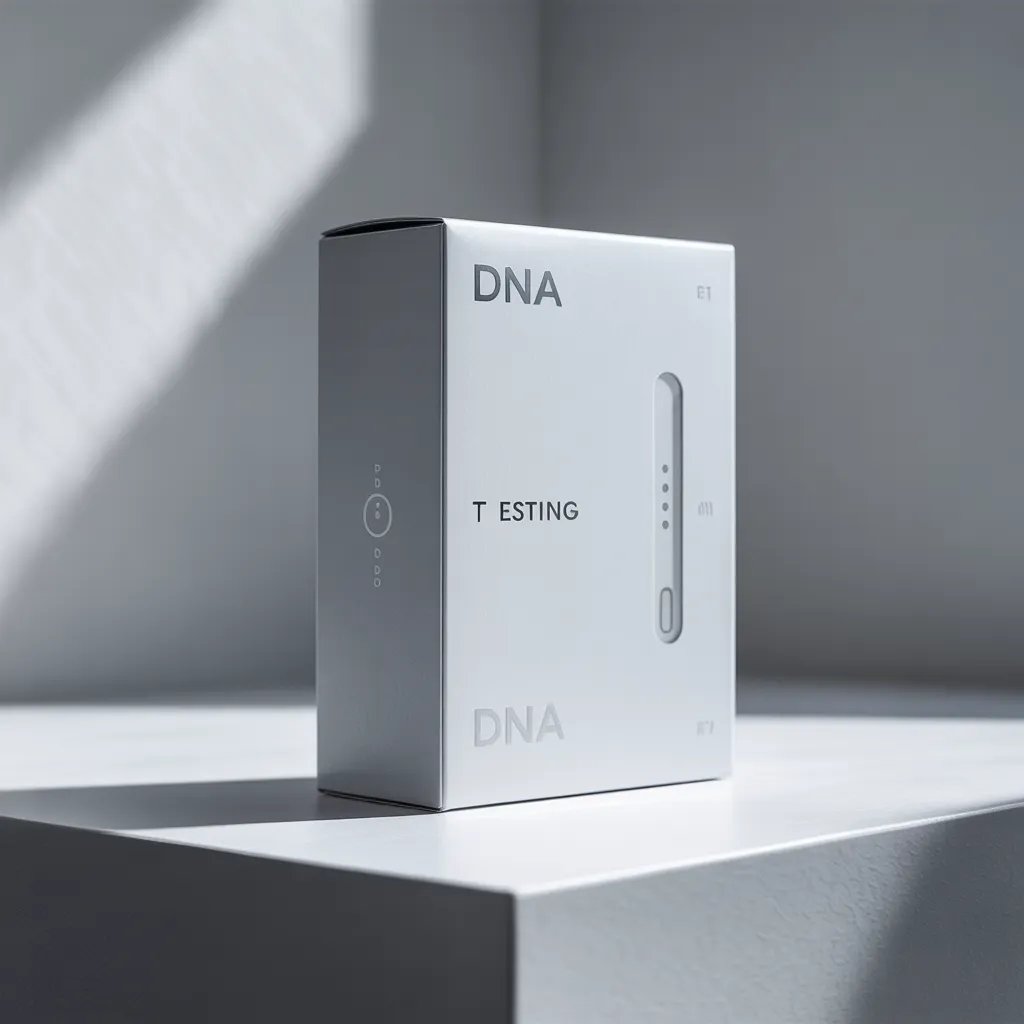
The Way Home Paternity Tests Work
Home paternity tests operate by employing straightforward yet reliable techniques to establish biological connections. These tests examine DNA specimens obtained from the relevant individuals, typically the alleged father and child. The testing commences with the retrieval of DNA from the specimens, commonly gathered through cheek swabs. The DNA is then compared to identify specific genetic markers that are inherited from biological parents.
Every individual possesses unique DNA, and by analyzing these markers, the test can establish the likelihood of paternity. Results are typically expressed as a percentage showing the likelihood of a biological link. A high percentage, commonly above 99%, points to a strong probability of paternity, while lower percentages reflect a lack of biological ties. This straightforward methodology allows individuals to seek answers regarding familial ties from the comfort of their own homes, making paternity testing more accessible than ever before.
Collecting Samples: Step-by-Step Instructions
Collecting samples for a paternity test is a straightforward process that necessitates careful and precise attention. First, participants must gather the necessary materials, which typically include buccal swabs, instructions, and a sample collection envelope. All individuals taking part should wash their hands thoroughly before commencing to avoid any contamination.
Following this, the cheek swab is utilized to gather cells by softly rubbing it against the inner cheek surface for about 30 seconds. This needs to be completed for each participant contributing a sample, taking care that the swabs avoid contact with each other. Upon completion of sample collection, participants need to allow the swabs to air dry for a few minutes.
Once dried, the swabs must be placed in the provided envelope, which must be labeled correctly. To complete the process, the completed envelope should be sent to the specified laboratory for testing, making sure that all guidelines are adhered to accurately to avoid any issues during the testing process.
What Can You Expect During Testing?
Upon submitting the samples to the laboratory, people can expect a systematic testing process that follows rigorous standards. Testing facilities use cutting-edge DNA analytical procedures to deliver reliable findings. Every sample is subjected to a thorough analysis, where DNA is carefully retrieved and processed to detect specific genetic indicators.
The testing typically involves analyzing the DNA profiles of the purported father and child. This comparison reveals whether there is a biological relationship, with outcomes derived through a sequence of automated processes and manual verifications for quality assurance.
The entire process has been developed to preserve confidentiality and integrity, with outcomes securely kept and disclosed only with approved parties.
Typically, the testing process takes anywhere from a few days to several weeks, depending on the lab's procedures and overall workload. Consequently, while individuals are waiting, they can feel certain that their samples are being treated with the greatest attention to detail and precision.
Making Sense of Your Home Paternity Test Results: What They Mean for You
How does one interpret the results of a home paternity test? Comprehending these results is essential for individuals seeking clarity regarding paternity. Usually, results are shown as a percentage-based probability, indicating the likelihood of the tested male being the biological father. A result of over 99% typically establishes paternity, while a result lower than 1% points to non-paternity.
In addition to the numerical percentage, the document may include a detailed breakdown of DNA genetic markers compared between the child and the alleged father. Each genetic marker highlights shared genetic traits, strengthening the overall interpretation of the results.
It is essential for people to review the results with care, accepting their emotional weight. The consequences can be profound, affecting personal identities and familial relationships. As a result, understanding these results is vital not only for legal purposes but also for mental and emotional health.
Preserving Privacy and Precision in Home Testing
Correctness is equally complete information essential; erroneous outcomes can cause emotional turmoil and legal challenges. Laboratories should utilize reliable methods and adhere to standardized procedures to minimize errors. Clear instructions for sample collection and submission help prevent contamination or misidentification.
Moreover, users are recommended to opt for reliable laboratories that emphasize both data security and precision. Transparency about testing procedures and information handling can build confidence. By considering these key points, people can undertake home paternity testing with assurance, assured that their confidential information is kept safe while getting dependable findings that support their personal determinations.
Common Questions and Answers
Are Home Paternity Tests Legally Admissible in Court?
At-home paternity tests are commonly inadmissible in court except when following specific protocols, including a chain of custody process and accredited laboratories. Courts typically demand tests carried out by qualified specialists for valid proof in court cases.
How Long Will It Take to See Results?
Results from home paternity tests typically take between 2 to 5 business days to be received. Nevertheless, select companies may have rush processing options available, which could shorten this window depending on the testing method utilized.
Can I Perform a Test With Non-Biological Samples?
Certainly not, a paternity test is unable to be reliably performed with synthetic samples. Only biological materials, such as saliva or blood, possess the necessary DNA for dependable results, guaranteeing correct identification of biological relationships.
What Should I Do When Results Are Inconclusive?
If results are inconclusive, one ought to retesting with new samples, making sure samples are properly collected and handled. Working with a qualified laboratory can provide clarity and guidance, enhancing the accuracy of the paternity determination process.
Do Age Restrictions Apply to Testing Participants?
There are indeed age restrictions for testing participants. Generally, participants must be a minimum of 18 years of age to provide samples independently. Minors usually require consent from a parent or legal guardian before undergoing testing.