Is a Home Paternity Test Suitable for You? Benefits and Drawbacks
The decision to use a home paternity test is multifaceted. It provides ease and discretion, attracting individuals in search of prompt results. Still, the likelihood of inaccuracies and emotional repercussions can create further complications. Furthermore, these tests are not legally recognized, which calls their dependability into question. Grasping these considerations is of utmost importance. What would be the wisest approach for people navigating these difficult circumstances?
The Way Home Paternity Tests Function
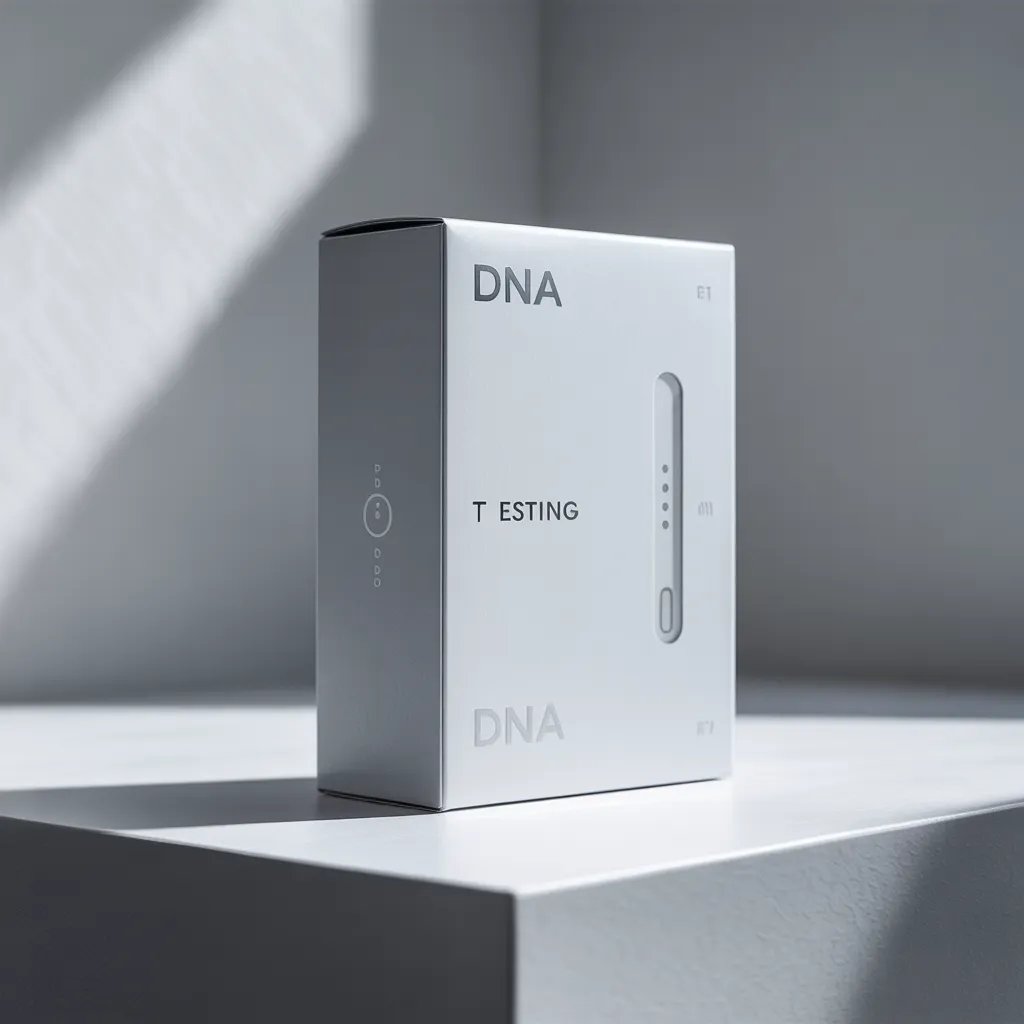
At-home paternity tests streamline the process of determining genetic connections through a convenient method. Generally, these tests require obtaining DNA material from the parties in question, usually through cheek swabs. Users follow the provided instructions to ensure correct sample gathering and processing. Once samples are secured, they are dispatched to a certified lab for analysis.
In the lab, DNA undergoes extraction and comparison to assess genetic similarities. The analysis process utilizes cutting-edge methods to detect indicators of a biological relationship. Outcomes are generally provided within a couple of days, offering answers to individuals questioning biological ties.
While home paternity tests offer convenience and privacy, it is critical for individuals to be aware that these tests are designed for informational use and may not hold legal standing. Individuals seeking formal results for legal matters may need to pursue accredited testing through certified facilities.
The Key Benefits of At-Home Paternity Testing
Why choose a home-based paternity test? Most people are drawn to the ease and discretion that these tests offer. This type of paternity testing supports discreet sample collection, commonly consisting of basic cheek swabs, which may be performed without requiring a healthcare professional. Such convenience enables individuals to acquire results at their own pace and in the comfort of their own home.
Additionally, home tests are generally more budget-friendly than laboratory tests, making them an appealing option for people with limited budgets. The processing time for results tends to be faster, often providing answers within several days.
Moreover, these tests help reduce emotional doubt by offering clear insight concerning paternity, which can be highly important for personal and legal circumstances. All in all, at-home paternity tests offer a practical solution for individuals seeking answers while avoiding the complexities of formal testing facilities.
The Hazards of DIY Paternity Testing
While the convenience of home paternity testing is appealing, significant concerns should not key information be ignored. One significant concern is the accuracy of results. Home testing kits do not always meet the strict standards maintained by professional laboratories, potentially producing misleading or erroneous results. Moreover, inadequate sample collection methods can significantly affect the reliability of results, because improper handling or sample contamination can lead to skewed and unreliable conclusions.
Another risk involves data privacy and security. Many home testing kits require users to submit personal information, which could be vulnerable to breaches or misuse. Moreover, individuals may face unexpected emotional consequences, as results can lead to family conflicts or distress.
Lastly, the legal aspects of home tests should be considered. Outcomes from these tests are frequently not accepted as legal evidence, restricting their usefulness in legal proceedings. In summary, while home paternity testing delivers accessibility, the related risks warrant careful consideration.
Emotional and Legal Considerations of Paternity Testing
Recognizing the emotional and legal consequences of paternity testing is important for individuals contemplating a private home test. The emotional impact from finding out unexpected results can be profound, influencing family bonds between parents, children, and relatives. It is important for individuals to prepare for possible emotions such as stress, anger, or uncertainty that could result from the paternity test findings.
From a legal standpoint, the implications may also be substantial. The findings from a home paternity test might not hold up in court, possibly creating complications in custody or child support cases. As a result, anyone contemplating such tests ought to consult with legal experts to gain a complete understanding of their rights and choices. Moreover, confirmed paternity may result in responsibilities related to child support and inheritance, introducing an additional dimension of complexity. Ultimately, a thorough understanding of both the emotional and legal dimensions is vital for effectively managing the possible consequences of paternity testing.
Is a Home Paternity Test the Right Choice for You?
Evaluating whether a home paternity test is the right choice requires thoughtful evaluation of several key factors. Individuals contemplating this option should evaluate their motivations, as emotional implications can be significant. This type of test delivers ease of access and confidentiality, but it does not carry the legal validity of professional lab tests, which are frequently necessary in custody or child support proceedings.
In addition, accuracy is an important consideration; while most home testing options are dependable, discrepancies can occur. People should additionally consider the likely influence on household dynamics, as findings can produce unforeseen outcomes. Furthermore, the cost-effectiveness of home tests should be assessed against the likely necessity of additional professional testing.
In the end, a thorough assessment of individual situations, emotional preparedness, and long-term consequences is crucial. Seeking professional guidance may provide further clarity, helping individuals make an informed decision about whether a at-home paternity test aligns with their needs.
Questions We Often Receive
How Reliable Are Home Paternity Tests When Compared to Laboratory Tests?
At-home paternity tests generally provide accuracy rates exceeding 95%, comparable to professional lab testing. That said, elements such as the quality of the sample and examination procedures may affect the results. For definitive answers, professional lab testing is still considered the gold standard.
How Trustworthy Is the Privacy of Home Paternity Test Results?
Confidence in the confidentiality of home-based paternity test results fluctuates by organization. Trustworthy providers implement rigorous confidentiality measures, but consumers should examine practices and user reviews to ensure private data continues to be secure throughout the experience.
What Is the Cost Range for Home Paternity Tests?
Home paternity testing kits generally cost from $100 to $500, according to the service provider and the intricacy of the testing process. Additional expenses may occur for rush results or specialized testing options, affecting the total cost.
How Much Time Does It Take to Receive Results From a Home Test?
Results from a home paternity test are typically available in between three to seven days. Certain laboratories may offer faster processing options, yielding results in as little as one to two days, based on the lab's processing capabilities.
Are At-Home Paternity Tests Permitted in All States?
At-home paternity tests are typically legal across all states; that said, individual regulations and guidelines may vary. Individuals must verify applicable local laws and confirm compliance with all necessary legal requirements prior to proceeding.